 Nutrition
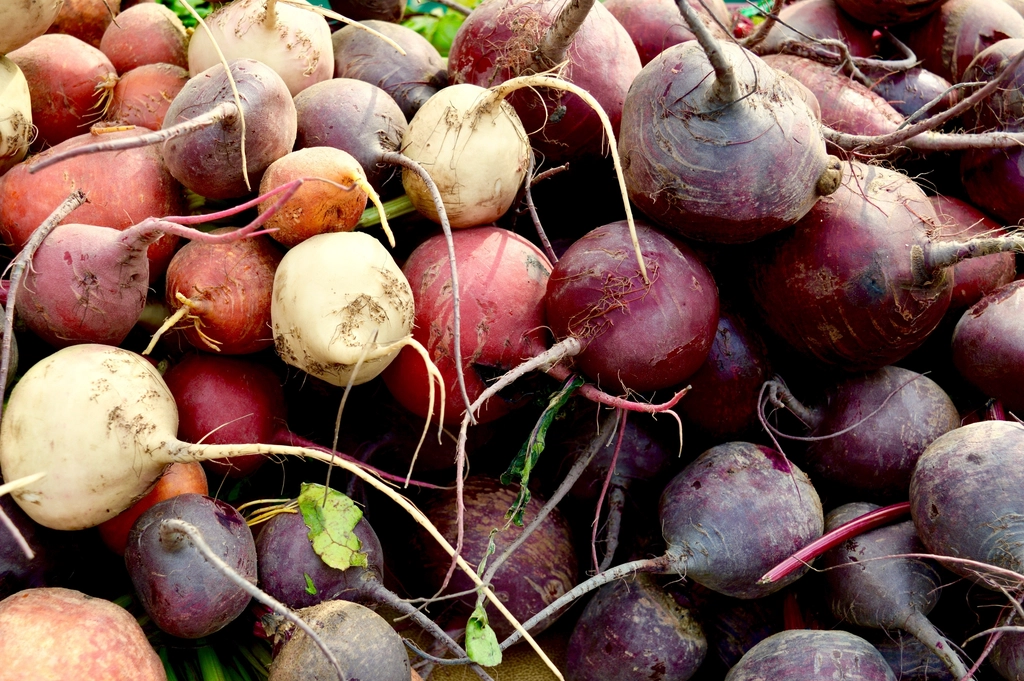
Beetroot has earned a permanent spot on a lot of wellness plates lately, and the reason usually comes down to dietary nitrates, natural compounds found in beets and many leafy greens. Here is a grounded look at what that actually means, kept general and food-focused rather than clinical. No megadoses, no promises, just a colorful vegetable worth knowing better.
What dietary nitrates are
Nitrates are naturally occurring compounds present in certain vegetables. Beets are one of the richest common sources, sitting alongside arugula, spinach, and celery. As part of a balanced, plant-forward diet, nitrate-rich vegetables are simply nutritious whole foods that are worth eating regularly for their overall nutritional value.
Easy ways to eat more beets
- Roast wedges with olive oil and a pinch of salt until edges caramelize
- Grate raw beet into a crunchy slaw with carrot and apple
- Blend cooked beet into a smoothie with berries and a little citrus
- Add sliced pickled beet to a grain bowl for tang and color
A few honest notes
Beets can turn things a surprising shade of pink, which is harmless and temporary, so do not be alarmed later. They are also naturally a little sweet, so they play beautifully with tart and savory partners like goat cheese, orange, walnuts, or a splash of vinegar. If you are managing any specific dietary need, check with your doctor before leaning heavily on any single food.
The takeaway is refreshingly simple. Beets are a versatile, affordable vegetable that fits neatly into a varied routine. Treat them like the flexible kitchen staple they are, rotate them in a few times a week, and let the rest of your plate stay just as colorful.